
Avoid These 10 Mistakes Sellers Make
June 10, 2024
Avoid These 10 Mistakes Sellers Make
There are several homeowners who make selling a house appear more difficult than it actually is, but it doesn't have to be. These homeowners are primarily committing some very typical blunders while selling their homes, which gives the impression that it is virtually impossible.
The most frequent errors made by house sellers typically result in a loss of time on the marketplace and final sale price. The median amount of time that houses are on the market is typically between three to five weeks. However, if you've been through this yourself, you understand that it can seem like some of those few weeks drag on forever and that going over the average selling period may make it seem as though you'll never sell. However, if all is done well, getting the proper customer through the door is the only reason to worry about.
There are numerous mistakes that a home seller might make while selling a home, but the truth is that all of them are rather usual. As a result, a house seller can raise the likelihood of their home sale experience being stress-free and, most importantly, profitable by avoiding these common blunders.
Mistake #1: Thinking You Can Survive Without an Agent
It makes perfect sense for the seller to want to get the most return on their biggest investment, especially in tough economic times, but this is precisely the time when hiring a competent agent is crucial.
Selling a property involves much more than simply uploading a few images to the internet. In fact, homes without representation can linger on the market for a lot longer. Along the drawn-out process, there are a lot of possible dangers that could prove to be not only exceedingly expensive but also put the transaction in danger.
Mistake #2: Hiring A Mediocre Real Estate Agent
Make sure you select the right real estate agent if you're selling your house and have opted to avoid the typical home selling error of not employing one. Employing the incorrect agent to sell a home is another typical error that sellers must avoid.
Depending on the local real estate sector, you can select from many agents to sell your house, ranging from several hundred to thousands. But unfortunately, there are great, mediocre performers and below-average professionals, just like in any other profession.
When selling a house, choosing the incorrect agent can be a costly error that costs the seller hundreds of dollars. If you're trying to sell your home, you need to be alert for clues that your real estate agent isn't the right one. A complete absence of web presence is a dead giveaway that you've chosen an unsuitable real estate professional to list your property. If you Google your real estate agent's name and come up with nothing, you should seriously think twice before hiring them.
Mistake #3: Selling Your Home When You’re Not Ready
It can be extremely emotional to sell a house. Selling their property when they aren't ready is one of the most frequent blunders homeowners must avoid.
The memories made while residing in a home are among the best things about home ownership. Therefore, it's crucial to be truly prepared to sell your house before listing it on the market. It's important to know that selling your house is the proper choice, whether you've lived there for a few years or 30 years.
There are specific strategies to determine whether the moment is perfect for selling your house. Recognizing if you are financially prepared to sell your house is one of the greatest methods to decide if you should. Do you intend to invest more money in a larger but more expensive home? If that's the case, you must be confident in your ability to acquire a home that will make your current residence sale worthwhile!
Mistake #4: Listing at The Wrong Time
The demand for homes fluctuates throughout the year, peaking in the spring and declining significantly in the late autumn and winter. You do have some flexibility; plan to advertise your house around late February through mid-May. In case you are forced to move out, you have little control over when you do. This is especially true if you live in an area with diverse seasons because buyers aren't typically out looking whether the weather is depressing or gloomy. A major house selling error is listing a property at the incorrect time of year because even a fantastic one could lie empty for quite a while because of a lack of demand for homes. If you list at appropriate times of the year, you will have a higher chance of selling your home.
Mistake #5: Overpricing Your Property
Every seller wishes to receive the highest possible price for their home, but occasionally emotions and blind optimism can skew judgment and reality. The prime determinant of pricing your property should be what other homes in your neighborhood have sold for, rather than what you believe your property is worth. Location, competitive intensity, market requirements, and the home state are secondary considerations, although they are not as significant as the comparisons. An overpriced home turns away buyers and may provoke a wave of demoralizing lowball bids. However, buyers and their brokers will pay attention if you price your house correctly. A home that is marketed to sell is one that is correctly valued in relation to its market comps. Therefore, you will get more legitimate offers close to what you are asking for like this.
Mistake #6: Not Preparing Your Home
Neglecting to prepare your house for the market is another way to easily derail your property purchase.
A typical home selling error that needs to be avoided, like the plague, is failing to get a house ready for the market. Making a good first impression on potential customers is a one-time thing. Having a cluttered home or one with offensive pet odors are two excellent ways to turn away potential buyers.
Property sellers must follow a set of processes when getting a house ready for a showing. It is rather clear when strolling through a house that's not been well prepped for a showing. Not preparing your property for showings is a terrible selling blunder that far too many homeowners do.
It's crucial to realize that getting a house ready for showings does need some time and work. The amount of time it takes to get your house ready for showings will depend on your scenario.
For instance, there are specific recommendations for selling a property with children that must be followed to get it ready for showings. The very last thing you need is for a potential customer to trip over tiny obstacles.
Mistake #7: Being Closed Minded About Offers
It's crucial to approach the process of selling a house with an open mind. You'll face difficulties along the journey and obstacles that you must go past. Unfortunately, reviewing purchase proposals with a closed mind is among the most frequent house-selling blunders that must be avoided.
This frequently happens when a low offer is made. If you're trying to sell your home, it's crucial that you understand how to handle lowball bids since you might get one. The worst move you could do is nothing if you get a lowball offer. Any possibility that you might sell your house to this potential buyer is now gone.
It's critical to realize that some buyers of homes feel compelled to make lowball bids whether a home is fairly priced or not. You won't know whether they are prepared to be reasonable or not if you don't reply to a lowball proposal.
When a buyer requests seller concessions, it's a common occurrence that leads to a house seller assessing purchase proposals with a closed mind. First, it's important to understand what seller concessions in real estate entail. Even when concessions are asked, sellers who are aware that some buyers are unable to buy a property without the seller concessions are more likely to examine purchase proposals objectively.
Although it would be fantastic if all purchase offers ever written were full price offers without any discounts or conditions, the truth is that this is not going to be the case. Avoid the common home selling error of analyzing purchase proposals with a bias. It's crucial to examine purchasing proposals objectively, including both their advantages and disadvantages.
Mistake #8: Home Inspection Negotiations
Many people are completely unaware of the safety risks in their homes. Being unrealistic during home inspection negotiation is one of the biggest pitfalls that homeowners need to avoid when selling their homes.
Most buyers of homes will decide to get an inspection done. In most cases, problems are discovered during home inspections. It is up to the buyer to request that house inspection findings be remedied or not.
Being reasonable during home inspection discussions is crucial to comprehend when selling a house. After an inspection, several home buyers will undoubtedly make outrageous requirements, and as an owner, you have the authority to decline any such requests.
In the event that a serious safety issue is found during a home inspection, it is crucial to stay pragmatic. For instance, a seller needs to keep in mind that there is a serious safety concern if there are significant issues with the electronic circuit box that could cause a fire. Unfortunately, some sellers make the usual error of encouraging the buyer to go somewhere else, and that is why real estate agreements frequently fall through.
Mistake #9: Hiding Flaws in Your Home
No property is perfect. There are areas that have a faulty water system, homes that need the basement refurbished, and plumbing issues that need to be resolved. However, hiding such issues from potential buyers is a mistake you should not make
Being dishonest with prospective purchasers is one of the worst blunders some homeowners make when selling their homes. Therefore, it's crucial to remember "disclosure" whenever you're selling a house.
Any potential flaws in your home should be disclosed to potential purchasers if you're selling it.
First and foremost, this is significant since it may help you avoid future legal issues and lawsuits.
Acting in good conscience while selling your house is also a wise move because, if you consider it, you would like the same for any house you buy. Homeowners should understand what information to disclose when selling a house.
Mistake #10: Bad Photos in Home Listing
Buyers frequently get their first glimpse of your house from the photos that are included with your listing. Poor or insufficient photos are a significant turn-off and are prone to causing people who may otherwise be the ideal fit for the home to lose interest. You must hire a skilled real estate photographer to take pictures of your house that showcase all its best features and display it in a manner that appeals to potential buyers as well as their agents. Shots that are too dark (turn on all the lighting and open all the curtains for photos) and pictures that reveal mess (make sure the home you want to exhibit during showings is clean) are some common blunders in this area. Take a lot of good photos and post them for listings so that potential buyers and agents get the entire look and feel of your home.
A Final Word
Don’t be discouraged—we know there is a lot to consider. That’s why our team at JS REALTOR® Team is so committed to serving our clients. We want to make your experience one that preserves the excitement but sheds the anxiety. We provide clear guidance and advice to help you make the right decisions. Request your Free Download here FREE Sellers Guide
and connect with us today! Let’s get ready to sell your home. Text/Call Jeff at 614.721.0450 or email Jeff@JSRealtorTeam.com. Offices in Columbus & Mansfield to serve Mid-Ohio.

Chances are that if you’re in the market for your first home, the very first place you went was to a real estate website like Zillow or Realtor.com and just started searching. Hmmm, three bedrooms or four? New build, move-in ready, or fixer-upper? You scrolled through hundreds of listings and imagined your future life in a thousand different pictures. Before you schedule a tour or show up at an open house, there are a few things we want to make sure you know, so you don’t make the same mistakes lots of other first-time homebuyers make. 1. Figure Out How Much You Can Afford Without a clear sense of what you can afford, you stand to waste a lot of time looking at places that may be out of your range. There’s more to it than what you can afford, too. If you haven’t set a monthly budget to be able to see where your money is going already, now is a great time to look over your last couple of bank statements, categorize your expenses, and see how much you have available for a monthly house payment. Use a mortgage calculator online to get a better idea of how much you are comfortable spending before you jump back into that house search engine. 2. Get Pre-Approved before You House Hunt Today’s market is so competitive that if you don’t have all of your ducks in a row before you find a home, it’s likely the house will be in contract before you can even put forward a bid. It’s okay to shop around for a mortgage lender, too—different lenders offer different rates, which can help you save money over the long haul. 3. Buy the Right Sized House There’s always that one house that is just outside your budget. You might be tempted to stretch your money and “make things work,” but buying more house than you need (or can afford) will bring unnecessary stress to your life and make you vulnerable to foreclosure should you fall on financial hard times. Just because you qualify for a larger mortgage doesn’t mean that you can afford the monthly payment that comes with it. Return to your budget and stick to the amount you’re able to pay each month to dictate your maximum home price. 4. Don’t Drain Your Savings We are a culture of instant gratification, but making snap decisions about buying a home is never a good idea. This is likely the largest purchase you’ve ever made, and while it’s exciting and easy to get caught up in the process, it’s best to slow down, plan your steps, and make sure you’re financially ready to go house hunting. One of the biggest mistakes first-time homebuyers make is using all of their savings toward their down payment. You don’t want to be scrapped for every cent just so you can get to closing. Make sure you keep a cushion in your savings in case something serious happens, even after you have your down payment secured. 5. Find the Right Neighborhood and the Right House There’s more to house hunting than the amenities on your list. If you find just the right house that turns out to be in a neighborhood you hate, you aren’t going to be happy, no matter how many bells and whistles the kitchen features. Make a list of the things that matter most to you outside of your home—is a short commute more important than the quality of the schools? How diverse is the community? What are the local politics like? Do you want a place with a lot of activity, or are you looking for something quiet and private? Is green space important? Will you be able to find a church or other organization that can provide you with community connections? 6. Research Resources Available to First-Time Homebuyers In a rush to find your first home, you might miss out on great loan programs that are created to benefit first-time homebuyers, making it easier for you to step into the joy and pride of owning your own home. Ask your mortgage lender if you’re eligible for any first-time homebuyer programs, like a U.S. Department of Agriculture loan or U.S. Department of Veterans Affairs. FHA loans only require 3.5% down with a qualifying credit score. 7. Don’t Underestimate Monthly Housing Expenses The mortgage isn’t the only thing you’ll be paying once you own your home. Your agent can help you understand your local taxes and utilities, and the current owner should be able to provide you with estimates for these and other maintenance costs. Don’t forget to factor in anticipated future repairs, like water heaters, furnaces, roofs, driveway maintenance, and so on (that cushion in your savings will come in handy for such a time as this). 8. Resist Other Purchases or Applications that Can Affect Your Credit Rating There’s a lot going on when you’re about to buy a home, but it’s best to hold off on any additional purchases or changes that might affect your credit score. Wait to apply for additional financing, credit cards, and so on from the time you are pre-approved until you’ve closed on your home. 9. Don’t Hold Out for the Perfect Home… There just isn’t one, no matter how long you look. Figure out what your non-negotiables are and then consider what you could do without—both of these steps can help you narrow down your search without eliminating a perfectly good home that may have checked off most of your boxes. 10. … But Don’t Rush the Process, Either. You don’t want to decide on a house in a flurry of emotion. It can lead you to pay more than you should have and strap you for cash. This is the place you will make memories to last a lifetime, but it is also an investment, and you want your investment to be sound. Stick to your budget, and don’t let your emotions marry you to a house you don’t even own yet. Don’t be discouraged —we know this list is a lot. That’s why our team at JS REALTOR®Team is so committed to serving first-time homebuyers. We want to make the home buying experience one that preserves the excitement but sheds the anxiety. We provide clear guidance and advice to help you find the right home, at the right price, in the right neighborhood. Download our FREE planning kit and connect with us today! Let’s go find your first home!

Are you looking for a mortgage for your home or car? Delving into the world of borrowing and investing can be intimidating when doing it for the first time. There are two types of mortgages, Adjustable-rate, and Fixed-rate. In the short to medium term, Adjustable-rate Mortgages , or ARMs, can save borrowers a significant amount of money in interest rates. However, if you still have one when the interest rate resets, you may encounter a much greater mortgage bill. Let's discuss if ARMs are a good option when the interest rates are high. What Do Adjustable Rate Mortgages Entail? The adjustable-rate mortgage is a loan with an interest rate that is fixed at first and then changes with time. Typically, you will pay a smaller fixed interest rate during starting few years. After that period, the interest rate will fluctuate regularly under current market conditions. When you embrace the mortgage, you will already agree on the time intervals for your low fixed interest rate and any accompanying rate fluctuations. A 10/6 ARM implies you'll pay an interest rate that is fixed for the first ten years; then, the interest rate will modify every six months. A 7/1 ARM, on the contrary, means that you will receive an interest rate that is fixed during the first seven years, after which the rate will adjust annually. Your rate may be higher or lower based on the market conditions. What Happens When You're In A High-Interest Rate Environment? In an ARM, the period of time for a fixed interest rate can be the first seven to ten years. As compared to a fixed-rate mortgage, adjustable-rate charges less interest, enabling you to save money during the fixed time. After the fixed period, you will encounter an adjustable period. The adjustable period will last for the rest of the loan term with varying interest rates. It is worthwhile to note that the interest rate changes at every fixed time, such as six months or even a year. The market will determine your latest interest rate; if interest rates are low, you will most likely receive a low rate; if interest rates have risen, your new rate will be even higher. However, because most adjustments have caps, your rate will not be able to go above a certain fraction or raise by more than a specific amount during every adjustment. So, Should You Get An Adjustable Rate Mortgage? The lower overall interest rate is the most appealing feature of ARMs. An interest rate that is gradually low at the start of the loan may allow you to save some money that can be implemented to the principal, allowing you to pay off your mortgage quicker. In addition, you could be able to finance the more expensive property with lower payments due to the sheer increased cash flow upfront. It may also be advantageous to have additional cash flow in order to gain an advantage in the competitive real estate market. Many analysts predict that mortgage rates will rise even further this year ; due to the varying nature of ARMs. As a result, you have to pay far more than you anticipated. Even minor changes in interest rates can result in hum sum of dollars in additional payments. Returning to the 500,000$ mortgage example, if the interest rate rises by 2% (from 4.12% to 6.12%), the principal and interest payment rise by around 530$/month. So it may be prudent to lock in a cheaper rate now. Of course, you don't want to be on the leash for a rising mortgage rate in the future, but ARMs aren't for everyone. Things To Consider When Getting Adjustable Rate Mortgages Learn About the Adjustment Period Borrowers must understand the basics of ARMs to ascertain whether they are suitable for them. The adjustment time is, in principle, the time between changes in interest rates. Take, for example, an adjustable-rate mortgage with one year of adjustment. The loan would be known as a 1-year ARM and the interest rate; therefore, the monthly loan fee changes once a year. If the adjustment period is three years, the loan is known as a 3-year ARM, and the interest rate changes every three years. Understand The Rate Change Borrowers must know the premise for the interest rate change in addition to recognizing how frequently their ARM will adjust. ARM rates are determined by various indexes, the most common of which are one-year constant-maturity Treasury securities, the Cost of Funds Index, as well as the interest amount. Before deciding to take out an ARM, find a lender whose score will be used and research how it has varied in the past. Prevent Payment Shock Among the most significant risks that ARM borrowers encounter when their mortgage adjusts the payment shock, which happens when the monthly loan payment increases significantly due to the interest rate adjustment. If the borrower is unable to make the new payments, this can cause hardship. Keep an eye on the interest rate as the adjustment time approaches to avoid experiencing a shock. Knowing what your adjusted payment will be ahead of schedule will allow you to allocate funds for it, shop around for an improved loan, or seek assistance in determining your options. A Final Word Taking out adjustable-rate mortgages is not always a risky venture if you know what is happening when your loan interest rate resets. Unlike the fixed mortgages, which have only one interest rate for the entire loan lifetime, an ARM's interest rate may vary after a certain time and may increase significantly in particular cases. Knowing just how much you'll owe every month can help you avoid payment shock. More importantly, it can assist you in making your monthly mortgage payment. Don’t be discouraged—we know this list is a lot. That’s why our team at JS is so committed to serving first-time homebuyers. We want to make the home buying experience one that preserves the excitement but sheds the anxiety. We provide clear guidance and advice to help you find the right home, at the right price, in the right neighborhood. Download our FREE planning kit and connect with us today! Let’s go find your first home!
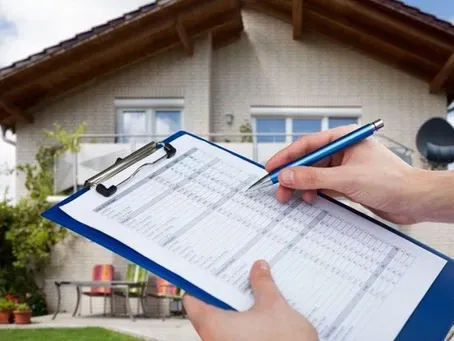
The appraisal is one of the last steps in a fruitful home sale. If everything goes well, the buyer will probably be able to arrange to finance and close on your home. However, if your home appraises for far less than what you anticipated, you may be forced to reduce the purchase price or, worse, lose the sale. So, what do real estate appraisers look for? Here are the top 5 factors that they consider. The General Neighborhood When inspecting homes, appraisers frequently speak with neighbors to gauge their feelings about residing in the general area of the house. Neighbors are a great source of information about the attractiveness and value of a particular area. For example, if you want to purchase a home, but most of your neighbours say the high crime rate in the region, you should factor that into your offer price. Appraisers frequently use recent selling prices from other residences in the neighborhood to help them identify what is reasonable and fair in establishing comparable selling prices for their documents. The Home's Condition Another factor appraisers consider is the overall condition of the residence. They will inspect your home to ensure that it is rigid and free of problems that could jeopardise its liabilities, such as the establishment or roofing problems. Appraisers will also check the condition of your siding, sewer lines, roof, HVAC, piping, and other systems. The estimate may suffer if they are old and in need of renovations. Furthermore, appraisers look for indications that your home has not been appropriately maintained. If they notice flaws such as peeling paint, sheared rugs, smashed windows, or leaking pipes and faucets, the value of your home may suffer. When evaluating a home, appraisers examine "curb appeal" and how a residence appears from the street concerning other residential properties. Although lot size and views are considered, having usable, clean, and appealing land adds to the appraised value and attraction of the home to potential buyers. In addition, window boxes, patio planters, and a new mailbox provide a lot of beauty without much labor or cost if you aren't seeking to overhaul landscaping completely. The Property's Floor Plan This is among the most important aspects of house appraisals. The appraiser can determine whether or not the home's areas lend themselves to valuable assets by determining how much area is well distributed. In other words, possessing well-distributed space may increase the resale value of a specific property. This is because some buyers may want certain features present in their own homes. This is more about appearances. On the other hand, floor plans are essential to appraisers because they can improve a property's market value. Consider the possible resale value when looking for a home, as having too much or too little floor area can make or break an offer. Upgrades and Renovations Certain additions and upgrades can help to raise a home's value. A new kitchen, refurbished bathroom, renovated basement, and freshly installed landscaping, for example, can increase a home's value. Therefore, when determining the home's value, an assessor will consider these changes. Type Of Construction Materials Used The kind of materials utilized to construct the home would also be considered. A home with higher-quality and more contemporary finishes will be worth more than one built with low-quality, dated materials. Updating materials can help a homestay in better shape while also enhancing its efficiency and degree of safety. Materials and worn or damaged sections are included on appraisal checklists, as well as whether your property is concrete or wood-sided are considered. For example, brick is prized for its insulation and high durability. However, sections of deteriorated inter-brick cement and gaps in between the foundation and exterior walls may require patching to improve the look. Another instance where siding can add value but is not necessary for safety purposes is replacing aged wood with siding. Another modification that can add value to an older property is adding insulation between outer and interior walls and repainting the weathered exterior of the siding. Before displaying a home, power-washing the exterior is recommended since it is a reasonably low-cost project that may dramatically improve the home's appearance by cleaning accumulated debris from small cracks. If the sealing and framing are worn out, replacing the windows is a good idea; however, it's one of the pricier home improvement chores. On the other hand, potential purchasers prioritise decent window conditions on their wish lists. Bedrooms & Bathrooms Before spending $20-30 thousand or more on a bathroom, seek professional advice to ensure that the upgrade would pay for itself based on the appraised value. You may break even by adding a newly designed bath addition to a home that has declined due to the location or market prices, but you might not. Another item to think about is the bedrooms in your house. When is the bedroom no longer a bedroom? When it comes to selling, some properties have rooms with no closets, and the owners discover that space without a closet cannot be represented as an extra bedroom. It's only fit for a study or an "extra" room. Temperature & Appliances Home evaluations consider the age and efficiency of appliances, heating, ventilation, and air conditioners (HVAC) units, power components, and drainage. Unfortunately, replacing older appliances isn't always cost-effective for many people wanting to sell their homes. Still, assessment value is unlikely to decline when everything is in good condition, clean, or has a track of servicing and even warranty documents. However, if things are in bad form or aren't working correctly, it could have a negative impact on the home's value. Positive improvements include new appliances and update supporting fixtures, including ducts and pipes. A Final Word This article enlisted the factors which appraisers look for during home valuation. These include the general neighborhood, the home's condition, the residence's floor plan, the materials used in the home's construction, bedrooms, and bathrooms, as well as temperature and appliances. The Appraisal Process does not have to be scary. That’s why our team at JS is so committed to serving our clients through-out the process. We want to make the home buying or selling experience one that preserves the excitement but sheds the anxiety. We provide clear guidance and advice to help you find the right home, at the right price, in the right neighborhood. Download our FREE planning kit and connect with us today!

A Seller’s Market does not mean you cannot find your dream home at the right price. Patience will be the key, along with a great strategy. Any home buyer will be able to tell you what it's like to be in a bidding war. It's unpleasant. The seller can be in a position of strength as they get to adjust, negotiate, and select from the top bids on the table. The strategy you employ could put you on top. The goal is to get your home at the right price. What Is a Seller's Market? The real estate market has cycles. As the economy navigates inflationary and recessionary times, housing prices and interest rates change accordingly. Depending on which stage of the cycle we are in, either sellers or buyers are in control. What is the advantage? To begin with, consider a buyer's market. In a buyer's market, there are far more homes available for purchase than there are potential buyers. Let's examine a buyer's market as a point of comparison. To gain more attention, sellers must provide benefits to buyers in a buyer's market. The two strategies sellers most frequently employ to draw purchasers are reducing the sales price and offering to cover closing fees. On the other hand, there are far more purchasers than houses in a seller's market. Multiple purchasers in this situation indicate that sellers will accept the highest offer and hardly ever have to offer to cover closing costs. How To Negotiate in A Seller’s Market You can successfully negotiate in a seller's market without spending more than you can afford and position yourself ahead of other buyers. Below are some suggestions. Sort Out Your Finances You must move quickly because homes don't stay on the market for very long. You cannot request additional time from the vendor to determine your budget before finalizing a purchase. Your spending plan must be established in advance so that, even though you attempt to outbid another possible buyer for a house eventually, you would be aware of your financial constraints (and avoid getting debts while going through the process). You also have an advantage because vendors give people who are eager to pay more promptly and readily preference. Narrow Down Your Choice If you need to conclude a purchase quickly, you must first determine whether a property is the best fit for you. Make a list of the qualities you find most important in a home (these might also be the deal-breakers) and those you can live without to assist you in making your decision. Consider the location, the number of rooms and restrooms, the projected commute time each day from your job or the kids' schools, as well as any other personal or family requirements. The available features change depending on variables like location, property type, etc. For instance, houses for sale in one city could have resources that make them different from those in other cities. When you locate a property that meets the requirements, you won't have to worry about second-guessing your choice to proceed. Be Fully Prepared Get a pre-qualified loan as soon as you can to be fully prepared. By securing a pre-qualified mortgage, you may demonstrate to sellers that you really are a serious buyer with the financial means to complete the transaction. This puts you on a different playing field and gives you a little more control than you would've otherwise. Make it obvious to the sellers that you are serious. In a seller's market, it's crucial to convey to potential buyers your seriousness and the seriousness of your offer. Bring all the necessary documentation, including an authorization letter from the lender to the table along with your pre-qualified loan. Since actions speak volumes, the seller will be more inclined to cooperate with you. Be Adaptable You must be ready to accept the final offer in a seller's market. However, you are much more likely to find yourself in a situation where you must make some compromises. Don't let a feature cause you to lose out on a property that would otherwise be ideal for you. For instance, you might have to settle just to stay in your preferred neighborhood without the contemporary-style kitchen with brand-new fixtures and cutting-edge equipment. It's critical to broaden your perspectives in these situations. Being adaptable would allow you to take advantage of chances you may not have previously thought of. After all, how would you know what's available if you don't venture outside your comfort zone? Just remember that cosmetic issues with a property (such as carpeting or kitchen worktops) can always be replaced. Keep The Timing in Mind Timing is crucial in a seller's market once more. In the face of a surge in purchasers, you must act quickly before it is late. Since there is no certainty that property available today will still be an option on the market later, it is crucial that you are open to communication with the realtor and are ready to make an offer at any time. Make yourself available at the seller's earliest possible time, not your own. Additionally, this will help you establish a connection with the them, and other possible buyers might wind up favoring you as a result. It's crucial to remember that it's because time is running out. You shouldn't be compelled to make any snap decisions. Purchasing a home is a long-term investment, so you must be certain of your choice before signing any paperwork. Therefore, use this strategy wisely and concentrate on choosing a closing date that suits the seller the most. Although you may have made a somewhat greater offer as compared to the competition, your earlier closing date will help you close the business more quickly. Which of the offers do you anticipate the seller selecting? Statistics suggest that the seller might choose your offer. Just remember that it is not always the case and that you should read the seller to understand where they are coming from. If speed is not a factor, your bid may need to be slightly more aggressive. Get everything done as soon as possible since the quicker you complete it, the more prepared you'll be to present your offer and clinch the deal straight away. Don't Play Hard-to-Get Unfortunately, buyers have little power in a seller's market. Even though there might still be some possibility for negotiation, go into the conversation with few hopes. A seller will receive several offers at once, so if they feel you are not being flexible, they won't hesitate to reject your offer outright. You must take the seller's lead; if you receive a counterproposal, be sure to carefully analyze it and act appropriately. However, make a compelling offer that is within your means. Even if it takes longer for the property to sell, resist the urge to outbid the competition. Due to the rising supply shortage, people are much more likely to pay more than the selling price but just bid what is within your budget. Therefore, it is preferable to receive the proper house later than anticipated than the incorrect one immediately. Likability Matters In a manner, the real estate industry is little more than a popularity vote, from agent to broker to property seller to buyer. Likability is something that frequently gets overlooked during real estate deal negotiations since you are also selling your offer in addition to making an offer to purchase a property. To sell your offer, you must gain the buyer's favor. Hire An Agent Every person looking for a home in any location should be served by a real estate agent. A real estate agent can guide you through the procedure or uncover potential homes that have slipped under your notice. You would also need a local expert who is familiar with the area when you are specifically operating in a niche market. You may rely on an agent who could work within your means and provide you with the appropriate space, community, and amenities during a period when homes are expensive. The real estate industry is continuously changing, and circumstances might shift suddenly. Therefore, before jumping in the market, it's crucial to understand the dynamics so you can prepare for what to expect. For example, suppose you are searching for properties for sale in a big city. In that case, it is especially crucial for individuals shopping for properties in large cities where demand is much higher. The Mortgage Underwriting In calmer times, most sellers are satisfied with a preapproval statement from a lender. But unfortunately, pre-Approval no longer ensures that your offer will be accepted. When evaluating various offers, sellers will choose the most certain thing. Therefore, go much beyond a letter of pre-approval. Ensure that you've gone through comprehensive underwriting if you require a mortgage. The arrival of the appraisal is then all that is required. Your credit score is checked in advance for a preapproval letter. However, it is not the final word. It's commonly said that having your loan fully underwritten and only needing an appraisal to finish the procedure is equivalent to having a cash buyer. Don't Overpay for A Property That Isn't Worth It Paying a lot for a house is a serious risk in a market where buyers tend to have sharp elbows. The dread of missing out sets in when you observe several people making offers higher than the asking price. As a buyer, you must exercise caution. You can become trapped in that and shell out more money than the property is worth. A few homes need to be passed over because you won't get your money's worth from them. It was a buyer's market in the state before the outbreak. Homes would remain unsold for a whole year. Then, you would observe them enter the market at a specific price before dropping steadily over time. Of course, that isn't the case now, but you can put things into perspective by looking at the recent history of the property market. Although home value crashes are unusual, according to housing economists, the Great Recession is a recent reminder of the risks of overspending. The home inspection can serve as a safety net for sellers who require financing by preventing them from overpaying. Although appraisers know that prices are rising, they are not likely to give a home a super-aggressive value. So, if the assessment is undervalued, but you still need the house, you'll need to put down additional funds to compensate for the shortfall. Conclusion Succeeding in a seller's market may seem extremely challenging. However, with the tips mentioned in this article, you can easily close an excellent deal! The JS Realtor Team is so committed to serving our clients through-out the process. We are here to make the home buying experience one that preserves the excitement but sheds the anxiety. We provide clear guidance and advice to help you find the right home, at the right price, in the right neighborhood. Download our FREE planning kit and connect with us today! Text/Call Jeff at 614.721.0450 or email Jeff@JSRealtorTeam.com.

One of the most challenging experiences in life is selling a house. You may think that staging a property to sell needs a great deal of money, professionals, removing a few walls, and installing brand-new flooring, furnishings, and décor if you watch the most recent DIY show. However, that's not the case! You need to attract customers right away from the street. Moreover, you'll want to close the deal once they're inside your house! Several preparations you can make before listing your house take very little time and money. 1. Research, Research, Research! Do your research on the market value of your house first. Start by browsing different online realtors to learn more about the neighborhood housing market. Then, to determine the right listing price, look at recent comparable properties in your area. Examine the square footage, amenities, and locations of the various comps and consider how they measure up against your house. For instance, even though your neighbor's house may have gone for $1 million, you will probably need to market your property for less if it is significantly smaller. Of course, a trustworthy realtor must be able to help you identify comparable properties and choose a selling price for the house. 2. Declutter Your Home According to the National Association of Professional Organizers, individuals spend at least a year in their lives searching for lost things. This won't happen if we simply decluttered our homes, and only kept things in regular use. Start decluttering your home a few months prior to listing it. You may notice that you're storing a lot of goods that you could immediately dispose of or re-home if you consider your children's toys and artwork, old washroom toiletries, and piles of mail. Neat property with spotless floors and counters appears welcoming in listing images and, tempting purchasers to present you a solid offer. Well, decluttering isn't exactly a glamorous task. For example, if you have various boxes of rubbish or significant pieces of furniture to get rid of, you might want to make plans for dumpster rentals. To get going, take these actions: ● Reduce the number of items on floating shelves, mantles, and walls that are on display. Sports memorabilia and trinkets should be removed, and family photos should be kept in a secure location. ● Sort through the old mail, papers, pens, and notebooks that have been piling up in the dining as well as home office. Do not keep sensitive papers you any longer require; shred them. ● Put away seasonal things like the Thanksgiving roasting pan along with tiny equipment you don't frequently use, such as the Air Fryer. ● Get some plastic storage containers for your toiletries. Utilize them to conceal your daily makeup, toothbrushes, hairbrush, and other items by keeping them in bathroom cupboards. ● Go through the bedside and throw away the body lotion and extra stuff. Hide your midnight reading and sleeping necessities in the area. Just leave a lamp perched atop. ● Remove spoiled food from your refrigerator and pantry. ● Consider donating the extra clothes in the closet. 3. Deep Clean Your Home You must establish a program of frequent cleanings and fast sprucing-ups prior to buyers stopping in for visits. This will keep your home tidy and neat, and won't take too much time and effort. Regular cleanings are especially crucial if you intend to remain in your home while it is on the market for sale, which is what most sellers do. Deep cleaning should be one of your top priorities before putting your house on the market because it will make these activities much simpler. However, to avoid having to cope with a messy home later, pay attention to these sometimes-overlooked areas: ● Dust your ceiling fans. To finish the task, use a stool or ladder and disinfectant spray. Replace your rag with a pillowcase for stopping dirt from spilling on the floor. ● Clean the interiors and doors of cabinets and closets. Cobwebs in the corners can be removed using a microfiber duster. ● You can use a sock attached at the end of a broomstick and a band to clean in the nooks behind appliances. Vacuum up any debris. ● Use the vacuum cleaner's brush attachment to clean the baseboards. Apply a sponge soaked in lukewarm water with dish soap after that. Clean any unclean corners using cotton swabs. ● Think of other parts of the house that need cleaning and start there right now. 4. Get Maintenance Work Done Before listing your home, you should discuss with your realtor and consider your budget when deciding whether to do costly repairs, including changing a 30-year-old ceiling. Did you know that renovating your entire home would cost around $45,000 to $75,000? Now, renovations won't cost this much if homeowners simply did necessary maintenance work. To ensure that everything's in excellent working condition before potential buyers arrive, you might begin doing minor repairs all around the house. For instance, consider this: ● If it has been over a year, get the HVAC serviced. ● Patch up the drywall's holes. ● Replace all the air filters. ● Change out any burned-out light bulbs. ● Check to see if the panels close and open properly and fix any that don't. ● Fix the water heater or the faulty faucet. ● Ensure that the essentials, including large kitchen equipment and the bathroom fixtures like toilets, bathtubs, and showers, are in good working order. 5. Gather All Your Renovation Documents If you've been in your house for a while, there's a good chance that you will have all documentation and receipts for improvements and repairs to your appliances, little and large renovations, and fireplace and HVAC maintenance. Gather those right away so that they are prepared for your house inspector, property appraiser, and realtor. The National Association of Home Builders say that the two most prominent areas homeowners renovate are the kitchen and bathroom. If you've also renovated these areas, make sure that you keep the renovation documents and receipts. Moreover, keeping your home in top condition with renovations and spruce-ups will likely increase the curb appeal and value of your home on the block. Buyers view your home as "old" and question how soon they'll need to fix or replace something, like a huge appliance, if they're purchasing a brand-new building. Therefore, you need to put yourself in the buyer's shoes and think about the things you would replace or renovate. Once you have an idea of the places or devices you want to replace or renovate, make a list of them. Of course, you would keep in mind your budget for the renovations while doing this. However, just remember that these renovations pave the way of improving your property's value. You may knock tasks off a buyer's to-do list and increase the appeal of your house if you can show that you have already invested the time and expense necessary to improve it or maintain it in top condition. 6. A Pre-Sale Inspection Might Be Good for You Even though you might think you know your house like the back of your hand, there might be problems lurking that you aren't aware of. Therefore, consider getting pre-listing house inspection to learn about any issues before the buyer's assessment, so you aren't taken aback after accepting an offer. If you're worried about unattended maintenance or major problems that might be hiding, the inspection will set you back an equivalent of $339. However, it can bring you peace and relieve your stress. Discuss with your realtor about selling the house "as is," and even think about asking for an upfront cash offer in case you don't have the money to pay for the repairs upfront. 7. Get Your Preliminary Title Report The preliminary title report, sometimes known as "prelim," is a brief report that informs you, the sellers, of any remaining issues with your home before you list it for sale. It is a preventative report, to put it another way. You won't be allowed to sell your house until the lien has been paid off, whether it relates to failure to pay child support, HOA dues, delinquent real estate taxes, another lender, or another issue. 8. Find A Realtor In relation to real estate agents, we strongly advise hiring one to advertise your property. Through referrals from friends and family, as well as many realtor websites on the internet, you can easily find a realtor. Interview the listing agent you are considering hiring regarding their expertise in your community, their relationships with possible buyers, and their knowledge of social media. The agent needs to be able to provide you with a carefully thought-out plan for selling your house. It's important to begin that research as soon as you can because title difficulties can take some time to fix. A Final Word Listing your property for sale can be overwhelming. However, going step-by-step in the process will help you stay on top of your schedule while keeping your peace of mind. Don’t be discouraged—we know there is a lot to consider. That’s why our team at JS REALTOR® Team is so committed to serving our clients. We want to make your experience one that preserves the excitement but sheds the anxiety. We provide clear guidance and advice to help you make the right decisions. Download our FREE planning kit and connect with us today! Let’s get ready to sell your home.

If you want to buy a house, you will need to qualify for a loan. Loans can be obtained from banks, credit unions, and other financial institutions. However, before giving you a large sum of money to buy a house, any lender will want to ensure you meet some basic requirements. The qualifications you need to get a home loan will depend on the lender you work with and the type of mortgage you want. For example, the Veterans Administration and the Federal Housing Administration (FHA) help qualified borrowers get loans by guaranteeing them. This means that the government insures the loan. This protects the lender from losing money and protects them from giving loans to people who are a higher risk. Before you can get a loan from most lenders, you will usually need to meet specific criteria that show you meet the lender's general expectations. Here are some of the most important things a lender will think about when deciding whether or not to give you a loan. 5 Factors Lenders Use to Qualify You for a Home Loan Your Current Credit Rating Your credit score is based on how much you've borrowed and paid back in the past and how well you've paid your bills in the past. When you apply for a loan, most lenders will check your credit score as one of the first things they do. The better your credit score, the more likely you will get a loan and the lower your interest rate. The minimum credit score needed to qualify is much lower for a loan backed by the government, like an FHA or VA loan. For example, you can get a loan from the Federal Housing Administration (FHA) with a score as low as 500, and there is no minimum score for a loan from the Department of Veterans Affairs (VA). On the other hand, a conventional home loan usually requires a credit score of at least 620. But if your score is below the mid-700s, you may have to pay a higher interest rate. If you have bad credit and want to buy a house, you will have to pay a higher loan payment every month for as long as the loan is in effect. You should try to improve your credit score as much as possible by lowering the amount of debt you have, making payments on time, and not applying for new credit before buying a loan. Ratio of Debt to Income Your debt-to-income ratio (DTI) is the amount of debt you have compared to how much money you make. This includes your monthly mortgage payment. If you had a monthly income of $5,000 and total monthly debt payments of $1,500 for housing, auto loans, and school loans, your debt-to-income ratio would be 30 percent of your income or $1,500 divided by $5,000. There are a few exceptions to this rule, but generally, the most debt you can have concerning your income and still get a traditional home loan is around 43%. Smaller lenders may be more willing to let you borrow a little bit more money, but larger lenders may have stricter rules and limit your DTI ratio to no more than 36%. In contrast to the rules for credit scores, the rules for FHA and VA loans regarding DTI are very similar to those for conventional loans. When you apply for a loan through the VA, the most debt you can have compared to your income is 41%. On the other hand, the FHA usually lets you have up to 43% debt. But there are times when it is still possible to qualify even if your DTI is higher. For instance, the VA would still give you a loan, but if your ratio is higher than 41%, you'd have to show more proof that you can pay back the loan. If you have too much debt, you won't be able to borrow money for a property until you either pay off your debt or buy a home that costs less and has a lower mortgage. Your Initial Deposit of Funds Lenders usually need down payment from people who want to buy a home so that the buyer has some equity in the property. This protects the lender because if you don't repay the loan, the lender will try to get back all the money they gave you. If you borrow the total amount that the property is worth now and then don't pay back the loan, the lender may not get all of their money back because of the costs of selling the home and the chance that home values will continue to go down. When you buy a house, the best down payment is 20% of the total price, and you should borrow 80% of the rest of the money you need. Most people, though, put down a lot less than that. Most traditional lenders require a minimum down payment of 5%, but if you are a good candidate, some may let you put as little as 3% down on the property. You can get an FHA loan with as little as a 3.5% down payment. If your credit score is at least 580, you don't have to put anything down for a VA loan unless the property is worth less than what you're paying. If the property's value exceeds what you're paying, you can get an FHA loan with as little as a 3.5 percent down payment. If you put less than 20% of the purchase price down on the house with a standard loan, you must pay private mortgage insurance (PMI). This usually leads to an annual cost between 0.5% and 1% of the total amount borrowed. You won't be able to stop paying PMI on your mortgage until more than 80% of what you still owe on it has been paid off. Get a loan through the Federal Housing Administration (FHA). You will have to pay a mortgage insurance premium upfront and every month for either the first 11 years of the loan or for the life of the loan, depending on how much money you borrowed at the start. Even if there is no down payment, a VA loan doesn't need mortgage insurance, but the borrower usually has to pay an upfront financing fee. Work Experience Whether applying for a conventional loan, a VA loan or an FHA loan, every lender will ask you to show proof that you are currently working. Lenders usually want to see that you've worked for at least two years and have a steady income. If you don't have a job right now, you will have to prove that you are getting money from somewhere else, like disability payments. The Home's Valuation as Well As Its Current State Last but not least, lenders want to ensure that the property you are buying is in good shape and worth the amount you are paying for it. The lender usually won't give you money to participate in a questionable real estate deal unless you have the house inspected and the property evaluated. If the house inspection finds significant problems, they may need to be fixed before the loan can be closed. The property's appraised value also affects how much money the lender will let you borrow. If you want to buy a house that is only worth $100,000 according to an appraisal, but you want to pay $150,000 for it, the lender won't give you money for the total amount. They will give you a loan for a portion of the property's appraised value of $100,000, but you will also need to come up with the agreed-upon additional payment of $50,000. There is never a good reason to pay more than necessary for real estate. If an appraisal comes in lower than the price you gave for a home, your best bet is to either negotiate a lower price or back out of the deal. If you can't get financing, the purchase agreement should have a clause letting you back out of the deal without paying any money. Compare the Terms and Rates Offered By a Variety of Lenders Even though all mortgage lenders consider these things, each lender has rules for who can get a loan and how much they can borrow. Make sure to look into all the different kinds of loans you can get and compare mortgage lenders to find a loan with the best interest rate, given your current financial situation. Final Words Since purchasing a house is a significant financial and emotional choice, you should consider all the criteria listed above and select the correct type and quantity of loan so you won't be burdened down the road. Additionally, conducting in-depth web research before selecting a loan is wise. By performing a fast internet search, you could uncover cheaper deals on interest rates and other costs. However, you should also talk to your primary banker because they can provide you with the greatest offers and services. Each lender is unique. Finding out in advance what various lenders are searching for can help you present yourself in the best possible light. In the end, if you want to get accepted for a loan, you must be truthful with your lender. It won't help your predicament if you mislead your lender or keep facts from them. And if you're left with a loan you can't afford to pay off, it can come back to haunt you. Don’t be discouraged—we know this is a lot. That’s why our team at JS is so committed to serving homebuyers. We want to make the home buying experience one that preserves the excitement but sheds the anxiety. We provide clear guidance and advice to help you find the right home, at the right price, in the right neighborhood. Download our FREE planning kit and connect with us today! Let’s go find your first home!

A bidding war frequently breaks out when home sellers receive multiple offers from interested parties. In a seller’s market, home receive several purchase offers and a seller’s market is when buyer demand surpasses the supply of residences for sale. Simply put, the rival purchasers' offer constitutes the "war." The buyers may compete against one another back and forth until the best offer wins over the seller. It can be costly for homebuyers, but it's excellent for the seller, who typically receives a price beyond what they were asking. There are various ways a buyer can lose the chance of getting their favorite property. Here are nine major purchasing errors and ways to avoid them. Too Many Contingencies Homebuyers set basic guidelines for concluding a property purchase through contingencies. Normally, having one or two contingencies might not have much of an impact. Contingencies, however, can either make or break your contract in a bidding war. If you're too demanding, the home seller might choose a different buyer whose proposal doesn't have a long list of conditions. Therefore, prioritize your contingencies and make your offer as straightforward as possible. Although many of us aren't in a situation to submit a cash offer, we must get a pre-approval from a lender before entering the bidding process. It's not always all about the price you submit. Discover any additional requirements from the seller and make every effort to meet them. Your REALTOR® can help guide you through the contingencies in the contract. Bidding The Pre-Approved Amount In today's environment, well-priced homes typically receive a flood of offers, and the bidder who is ready for a bidding battle usually prevails. The greatest way to prepare for battle is to ensure that your financial preparation is strong. That includes obtaining a home purchase pre-approval. Avoid entering the exact amount you had been pre-approved for in your offer. Many buyers arrive with a pre-approval for the same bid price. A buyer with an identical pre-approval may worry the listing agent because they have no room to haggle and may lose their eligibility if interest rates spike. It is frequently a wise move for purchasers in this marketplace to look at properties below their maximum loan amount. They will need some leeway to increase when you must compete against numerous bids, and if they have reached their highest amount, that will not happen. Bidding Too Low Without a doubt, you won't acquire the house if you don't make a sufficient offer. When selling their house, many sellers have an optimum price in mind. You will not be eligible for the race if you do not reach or surpass that amount. Buyers need to be aware that the desired sale amount is frequently near to market value. The homeowners will have gone over pricing data their agent had provided for comparable properties that had already sold in the area. Therefore, sellers typically know the value of their home and can support it with facts. This is not a time for low-ball offers. The one factor that causes purchasers to lose out in competition the most frequently is a sale price that is below this amount. Your real estate agent will give you the sales prices of similar properties in the same neighborhood as the home you intend to purchase to further assist you in your preparation. These selling prices will provide significant insight into market worth and serve as important guidance as you choose the appropriate offer price. Best offer first is the secret to winning a bidding battle, though. Bring your best bid straight away because there's a good possibility you won't get another opportunity to enhance it. Sellers frequently choose the overall most alluring firm offer. You'll have a better chance of winning the house if you make your first offer as strong as you can. Offering A Low Earnest Amount Even if you do everything else perfectly, you risk losing the house if the owner does not find your Earnest Check Offering strong enough. Earnest Checks are used to show how serious a bidder is about a house. A sizable payment signals a completely committed buyer to a vendor. In addition, if the check is non-refundable to the buyer so that both parties adhere to the conditions of the contract. The seller is thus given plenty of assurance that they can, in fact, see the sale through to closing day. Consult your real estate agent if you're unsure of how much to give in earnest money. They can advise you on what might be anticipated, and based on interactions with the listing agent, they might even have more information about the seller's demands. Conditions In The Offer A condition is nothing more than a hindrance to a seller. Sellers typically dislike conditions because they prevent a contract from being fully completed. Sellers anticipate the presence of conditions in an offer in a balanced market. Conditions for financing and home inspections are most frequently used. These terms often safeguard the buyer by requiring that the mortgage money and the property's construction and working order be confirmed before the offer can be accepted as firm. Whether there is a seller's market or not, agents will advise you to put conditions to protect yourself. In addition, you must balance your prospects of winning a bidding battle against the hazards of putting conditions on your offer. Ultimately, it's an individual choice, and everyone has a different level of risk tolerance. Choose wisely. Consider increasing your chances by shortening the period you must finish your due diligence if you feel more comfortable inserting conditions in the offer but are aware that there will be competition for the house. Before submitting your offer, discuss the benefits and drawbacks of putting conditions with your real estate agent. Making An Offer Too Early Before offer day, some vendors will evaluate offers, while others won't. So, use caution if you are faced with the latter situation. Presenting an advance offer despite the seller's intention not to accept pre-emptive offers (typically stated in the listing) may backfire on you. On the other hand, sending a seller an early bid lets them know how much you intend to offer for the house. Even worse, it might set off a system requiring the estate agent to notify every other agency of an impending offer, which would bring about competition just as you were attempting to prevent it. While making a preemptive offer is not always a bad idea, get advice from your real estate agent beforehand to ensure it's likely to get considered. Making The Offer Too Late In most cases, listings will state if a seller has chosen to hold offers until a particular date in the future. This is new to the current market. There are two reasons why this is crucial. Initially, you are on a very tight deadline if you schedule your first visit to the house on the day that offers are being accepted. Second, the posting documents will specify the exact time of day by which offers must be received. This is done to maintain buyers' parity and establish timelines for when an owner will evaluate incoming offers. Discuss anticipated offer dates with your real estate agent before any showings to avoid this situation. This will enable you to leave at least one day between visiting a property and submitting an offer. Not Reconsidering the Offer Today is offer day. It's now only a matter of waiting for the decision after submitting a compelling offer with a substantial earnest check. Then something unexpected occurs. Your offer is sent back for revision. Often a seller will send a few chosen bidders to the drawing board to resolve a tie when two or more offers are extremely comparable, raising their eventual selling price in the process. The seller will request that the buyers return with a better offer and even outline the adjustments that need to be made. If a seller makes a verbal counter proposal or proposition to a bidder, it should only be taken as an offer to join. If the buyer decides not to proceed, the negotiation will be over, and another person will purchase the home. This kind of negotiation might be emotionally charged. It could be challenging to embrace what the seller is proposing: it's simply not good enough if you have already entered a bidding battle with your absolute best, strongest offer. In the end, you'll need to decide how much you intend to spend on the house and whether you can agree to the extra conditions that are being asked for. Letting Others Influence You You'll probably want another opinion when purchasing a home. Just be careful not to allow these well-intentioned individuals—who haven't seen as many houses as you have—to influence your offer. The advisor acts in the buyer's best interest, protects them, and typically trashes the house. Unfortunately, they lack the knowledge necessary to view the other nine homes or comprehend the market. Ask the individual who has been with you for most of the process if you are going to be relying on outside guidance. Trust your real estate agent and price appropriately. Even if doing so involves giving a little bit more than you first anticipated. It could be counterproductive to lowball the prospective sellers to start a negotiation. A rude lowball offer that isn't supported by math or similar sales data may irritate the seller. A Final Word When buyer demand outpaces the supply of available homes for sale, homes on the market frequently attract several purchase offers in the real estate market. As a result, a bidding war typically ensues when homeowners receive numerous offers from interested parties. Don’t be discouraged—we know this list is a lot. That’s why our team at JS REALTOR® is so committed to serving homebuyers. We want to make the home buying experience one that preserves the excitement but sheds the anxiety. We provide clear guidance and advice to help you find the right home, at the right price, in the right neighborhood. Download our FREE planning kit and connect with us today! Let’s go find your first home!

A buyer's immediate thoughts about the property are essential, even in the current low inventory market. The overall exterior appearance of a property, or its curb appeal, may significantly affect the asking price a purchaser is prepared to spend for it. Sellers only have one opportunity to make a powerful impression with great curb appeal. The initial view has a significant influence on potential buyers’ attitude as they visit your house and can affect what they think your property is valued. Even minor flaws in a facility's façade might deter potential buyers. Buyers may be apprehensive as to how properly you've kept the condition of your property if your front door has chipped or dull paint, and any other visible aging. The Importance of Curb Appeal Creating great curb appeal is a clever marketing strategy that goes beyond how homes appear. Exterior attractiveness creates anticipation. It is what drives people to desire to go inside and check it out. Curb appeal is a crucial component that earns interest in a property. The value of curb appeal wasn't so much dependent on the amount of money invested in the home. The fact is, you can spend a lot of money renovating things, but ultimately, what we need to accomplish is make things that are alluring and attractive and will cause others to regard the home as having immense promise and beauty. You desire your house to impress people when they first see it. At the very least, it shouldn't turn away most customers. In contrast, the home's exterior appeal ought to encourage consumers to request more information. Here are our top 5 strategies to improve the curb appeal of any house so that it sells for top value. 1. Refresh the landscape A San Francisco-based property investment referral firm say that houses with good landscaping sell for anywhere between 1-10% more so than homes without good landscaping. When potential buyers approach your house, you want the landscape to be neat and well-kept. Professional landscaping may be expensive, with the typical cost running from $8,000 to over $15,000 for enhancements, including green growth, a deck, and a rear pathway. You can do most of this yourself for a fraction of the costs. Most nurseries are great at helping you pick out a few new plants or some items to enhance the appeal. Also consider adding window boxes, suspended planters, or pots filled with perennial flowers such as petunias. Put them inside, and you will have an immediate splash of color. You also can throw down a piece of new compost to offer your landscape a sharp and smooth surface. Don't overlook the fundamentals, which include mowing the grass, trimming shrubs and trees, and getting rid of pests and dead limbs. Maintain your yard by cutting the grass short, raking trash, and picking weeds on a regular basis. Water it often to avoid brown stains. 2. Replace or paint your entrance door & add some decor The front door, which serves as your living area's primary entry, is a desirable repair before putting your house up for sale—searching for the perfect color? Although 2018 Zillow research reveals that some properties benefit from having a brightly colored front doors. Furthermore, decorating a front door is a relatively simple DIY job. Tools and supplies like a two-in-one color and priming bucket, paint roller, dropping cloth, or sanding only cost around $75, but there are plenty of YouTube tutorials with phase instructions. However, there is one exclusion. Getting a new entrance door could be advisable if your current one has warping, painting cracks, corrosion, or scratches. Front doors typically charge $1,000, and according to HomeAdvisor statistics , the expert installation runs around $1,091. Wreaths aren't just for the holidays. Wreaths are readily available year-round and significantly enhance the appearance of the front entrance. Find wreaths with conserved or dried greenery and flowers, or, for more convenience, get one with fake flowers. A wreath might look odd or dated if certain seasonal features are included. Choose something straightforward that will offer elegance for the duration of the season. Moreover, a place may be given some vitality by plants, which also gives the impression that it has been well-used and maintained. Finally, when planted in groups at either end of the entrance, plantings or perennials with varying heights may make great curb appeal. 3. Clean up and bring on the lights Every day you come into your drive, you might not see it, but many purchasers will. If your drive has skid marks and oil stains upon that, you can usually get rid of them by pressure washing it. Try using a skilled cleaning service to get rid of stains, filth, and dust, as windows are frequently a central focus for potential buyers. As per HomeAdvisor, window washing has an estimated cost of around $213, while lesser tasks start at about $80-$100. In addition, numerous cleaning businesses offer both inside and outside cleaning services. Washing the windows would also assist bring direct sunlight into your house. Gloomy entrances don't exactly exude warmth. Swap it out for something more exciting and modern when your front entrance currently has a chandelier or dangling pendant. Quickly make the area look nicer and cheerier, clear away all spider webs and other debris from the area surrounding outdoor light fittings. If you require more lighting, put some doorway lights, or illuminate a walkway with solar-powered lamps. Don't depend on a central post bulb or a spotlight placed in your garage; add multiple lights to have maximum illumination. Consider a beautiful tree, the veranda, or a well-kept row of bushes. If you want to give your lighting design more depth, use the limelight as well as a "bullet" lamp toward the treetops. Alternatively, you can try moonlighting. It is the reverse of uplighting. Towards a gentle, natural illumination, Place fittings in treetops, so they glow brightly on the walkway and grass. 4. Upgrade the small details Replace an old mailbox with a much more modern one. It's a straightforward job to undertake and may improve your house's curb appeal subtly yet noticeably. Plan on paying between $50 to $200 to change it, depending on the kind of box you want (a freestanding mailbox or ones affixed to the walls, for example). Secondly, by getting rid of your outdated house symbols and substituting them with ones that have a little more energy, you can quickly update the appearance of your property. Finally, select a typeface that complements the style of your house's architecture while yet being unusual enough to catch people's attention. Even when you're not very handy, altering the numerals is a simple task that can be completed in about 30 minutes. Finally, the appearance of your home might be cluttered by having too much patio furniture. A healthy balance should be struck in the center, and most of your outdoor furniture should be spotless and in working order. Any patio furniture that is outdated or requires repair ought to be thrown aside. Try giving front porch seats or outdoor furniture a fast coating of paint to give it a new look. 5. Use plants. Adding some new greenery or flowers is among the easiest (and most effective) ways to improve curb appeal. When you don’t want to spend big bucks to create a new yard; placing some pots and hanging baskets will still have the identical impact. Install a dangling one when you may not have enough space for a freestanding planter. Utilize plants to draw attention to and surround essential visual elements, such as doorways and stairways. The front of your property may be considerably improved with just one attractive plant display. However, if you have the budget for a garden upgrade, try mulching. In addition to adding color and variety to beds, mulching maintains the soil wet and aids in weed control. Choose colored mulch to add a bright look to the landscaping. Spread 2 inches of new mulch over your beds for the best look. Balancing the flower beds is essential. The most beautiful gardens are layered with beauty. Find a variety of perennial and evergreen plants with different elevations and patterns, if possible. Organize them from tallest to shortest in reverse order. Think of flowers with a dramatic effect, long-lasting flowers, or fascinating leaves. Conclusion You can tell when a home has good curb appeal, and you can also tell when it doesn't. To generate excellent curb appeal, one wouldn't need a significant expenditure; just some creativity at hand will do the job. Don’t be discouraged—we know there is a lot to consider. That’s why our team at JS REALTOR® Team is so committed to serving our clients. We want to make your experience one that preserves the excitement but sheds the anxiety. We provide clear guidance and advice to help you make the right decisions. Request your Free Selling Download here FREE planning kit and connect with us today! Let’s get ready to sell your home. Text/Call Jeff at 614.721.0450 or email Jeff@JSRealtorTeam.com. Offices in Columbus & Mansfield to serve Central Ohio

The seasons change whether we like it or not. Fall is the best time of year for many of us. However, there are things we need to do to prepare your house for it. We've gathered the most important Fall home maintenance tasks to get you and your home ready for this next season. 1. Purchase a Programmable Thermostat Having a programmable thermostat is completely worth the investment, especially once the weather cools down. If you set your thermostat back while you're away during the day, you could save up to 10% on your air conditioning/heating bill each year. Many programmable thermostats can even be accessed from on your phone. 2. Fertilize your Lawn Our lawns take a beating during the dog days of summer. It’s time to rejuvenate them. Applying fall lawn fertilizer will help prevent winter damage and spring weeds. Ask a local garden center or check online to find out which type of fertilizer you need and when to apply it. 3. Reverse your Ceiling Fan During winter, warm air rises to the ceiling fan while cool air will stay close to the ground. By flipping a switch and reversing your ceiling fan, cool air is forced up, and warmer air is pushed down. You will love the feel of the steady temperature. 4. Clean the Gutters If the gutters are blocked, they can overflow which can cause water damage to your home, including the foundation and basement. Take out your ladder, and clear out any leaves, branches, or debris from the gutter. If you are afraid of heights or never want to do this again, consider have a gutter protection installed. You will never need to clean them again. 5. Plant Bulbs for Spring-Blooming Flowers What do you want your flower garden to look like next spring? Now is the time to decide. There are beautiful several Spring-blooming flowers, but they must be planted at just the right time during the Fall. Some popular ones are the tulip, iris, daffodil, hyacinth and lily. 6. Clean the Fireplace and Chimney Before you fire up the fireplace this Winter, make sure it's clean and ready to go. Your fireplace & chimney should be cleaned and inspected every 50 burns to ensure that it's ready to be used. 7. Check Smoke Detectors Replace all batteries in your smoke and carbon monoxide detectors throughout your home. Once you've replaced the batteries, press the test button to insure they are working properly. 8. Remove Warm Clothes from Storage The seasons will begin to change and soon you'll be trading in your tank tops for coats. This is a great time to sort through all your warmer clothes and decide if you still want to keep everything you stored away. If you don't think you'll wear it this Fall, donate it to your local thrift store. 9. Check Windows & Doors for Leaks As the year ends, the weather will get colder. If your windows are not sealed properly, your home could lose lots of heat, causing your gas and heating bills to spike! Check for leaks now and have a worry-free winter. 10. Organize the Garage It’s not a fun activity but, the garage most likely could use some tidying up. Install some shelving or add some hooks to keep your garage more organized year-round. Why not pull out your Fall decorations while you’re at it? 11. Enjoy the Season Getting the house ready for the upcoming season is important, but don’t miss out on all the great things that falls brings. Take a drive in the country to see the leaves. Hike at your nearest state park. Go get that pumpkin spice drink. There are so many good things to do in the fall. Don’t miss it! Need any other help with your home? We are here to help. Our team at JS REALTOR® Team is so committed to serving our clients. We want to make your experience one that preserves the excitement but sheds the anxiety. We provide clear guidance and advice to help you make the right decisions. Request your Free Selling Download here FREE planning kit and connect with us today! Let’s get ready to sell your home. Text/Call Jeff at 614.721.0450 or email Jeff@JSRealtorTeam.com. Offices in Columbus & Mansfield to serve Central Ohio

What are buyers looking for in a home? It’s an important question to consider when renovating a home. The pandemic era has led to a boom in renovations. Whether it was because people were bored while staying home or their homes really needed it, the hardware stores were busy. Renovating is indeed the most enjoyable part of house ownership, but it also is costly. Home renovation can undoubtedly increase a home's worth if done right. Not sure about what to avoid and incorporate into your home? This article will answer all your questions as we have jotted down all the relevant information to make you leverage your property's value or appeal. Open Concept Floor Plans In the early 1990s, most houses featured jagged, fragmented floor designs. But the ideal floor design for today's house buyers is one that effortlessly connects each area to the next. As a result, many buyers are choosing to build their own home instead of buying an existing one because older homes typically don't offer open concept floor layouts. A benefit of an open concept floor design is that it enables a homeowner to converse with visitors regardless of being in another room which is not possible in a home with separate rooms. Notably, parents having young children favor open concept floor plans because they enable them to keep an eye on their children.. Updated Kitchen: Updated kitchens are regarded as the most crucial feature according to 81% of people in the survey carried out by Metropolitan Regional Systems Information Inc recently on house buying decisions. Some buyers might not even consider it as an option if the house has old rusty cabinets, counters, or flooring. The project can be very costly if you are not careful. Get some design help before proceeding can help control cost while still looking appealing. First, research the trends, look for inspirations, see what comes in your budget, keep them in your mind and begin upgrading. Simple kitchen renovations can speed up the sale of a house. Some of the inexpensive kitchen renovations include: ● Consider painting the kitchen. ● Re-stain kitchen cabinets to make them look clean and fresh as new. ● Install new bright lights in the area. ● Fix the plumbing issues Also, new buyers now look for Eat-in kitchens as per the survey by NAHB. It means having a small area to sit and eat in the kitchen. Hence, incorporating a small table with 2-4 chairs would do. They appeal mainly to families with young children. It serves as a location for conducting homework and other activities besides dining. Walk-in pantry: A walk-in pantry is one feature buyers covet, as per the NAHB's report. Incorporating a walk-in pantry in your home may be cheap or expensive. It varies as per the details or size; also, one must keep in mind a home's overall style and design. For instance, luxury homes may need a little fancy with the latest storage and large pantries to meet the owners' needs. But luxury walk-in pantries would cost a lot and vice versa. A walk-in pantry is desirable to 83 percent of today's buyers, making the expenditure justified. Primarily for families with young children, as they are aware of how rapidly the kitchen becomes cluttered if there isn't enough room to store basic items like cereals and canned foods. Upgraded Bathroom: Like the kitchen, updating a bathroom can cost you a lot, but it is one on the list of most desired home features today. To make your bathroom appealing while staying on budget, you can paint the area with inviting, bright colors. Also, ensure that they are clean because a dirty bathroom can scare away your potential home buyer very easily. To upgrade your bathroom at a low cost, you can consider the following: ● Add new vanity ● Fix plumbing issues ● Replace old with new bathtub or shower ● Clean and keep your cabinets and closets organized. You can also make a closet inside the bathroom if you have space that would make it more appealing. However, do not lose sight of the latest bathroom trends when updating your bathroom. Home Technologies Modern homebuyers, particularly millennial homebuyers, are quite a technology influence. Adding advanced technology to your home will increase its value. A house can be equipped with a wide variety of highly sophisticated things which can add the "WOW" element in a home that can be raised with the aid of home technologies. For instance, you can look up: ● Programmable thermostats which one can control through his tablet, smartphone, or any other handy gadget. ● You can set up a home speaker system in the house for partying or watching a movie in a cinema environment. ● Keyless locks, accessible via Bluetooth or thumbprints to ensure security. Laundry Room Homeowners usually think that when the time comes to sell a property, the location of the laundry room is irrelevant, which is not the case. How quickly a property sells and how desirable a home is can both be significantly impacted by the location of the laundry room. You may not find separate laundry rooms in all the houses, but if they have, they are more valued. The three most frequent areas where you may find a laundry space are the basement, the main floor, or the second story. However, modern home buyers prefer that the laundry room must be situated on the main floor of the house. For senior house purchasers or those who might have difficulties climbing stairs, having first-floor laundry is a feature that is highly valued. Outdoor Space The exterior features of a property are essential and are in demand by home buyers. It may be costly for sellers if they overlook the property's exterior. The exterior requires equal attention to the interior; keep that in mind. Ensure that the outdoor space of the home is not overlooked when arranging a home to sell more quickly. Doing so will make your home more appealing to the buyers and help you make a great deal of money. Attached patios, decks, and gated yards are some of the most preferred house features among today's homebuyers. In addition to that, homeowners should also pay attention to the following outside areas: ● Landscaping ● Pools ● Gardens ● Hardscaping ● Outdoor Kitchens Furnace & Air Conditioning System The air conditioning and furnace system are the most crucial components of a home. If any house lacks central air conditioning, many prospective buyers won't even consider it. So, it would be beneficial if you consider installing it. However, in case radiant or baseboard HVAC systems restrict you from the installation of central air conditioning, you can opt for installing a central air conditioner, if possible. This smart move might enhance the number of potential house buyers who could be interested in the property. Efficient furnace and air conditioning are what modern home purchasers are seeking. The main justification is the substantial monthly cost savings that these house upgrades can provide a buyer. Other reasons making this home feature important include: ● Better For the Environment ● Produces less noise pollution ● Longer average life span ● Health and life quality improvements Ceiling Fans You would not hear many of your friends extolling the virtues of ceiling fans. But this house element should not be disregarded because 83% of individuals selected it over hundreds of other options. In addition, due to global warming, climates are now changing in different areas of the world, and many people might at times need fans because of the unpredictable weather conditions. Installing ceiling fans in a home is a simple and inexpensive way to improve your home as it could significantly increase your house's perceived worth if we consider the current global warming. When adding fans, you can install a fan-deliver to improve the appearance of ceiling fans and give your room much more air. These lighting fixtures have a chandelier-like appearance and a ceiling fan-like feature. They're becoming increasingly popular, and they might be the selling point that gets you the best price when you sell your house. Energy Efficient Windows The effectiveness and quality of windows are common issues for home buyers. The most frequent problem discovered during a house inspection is poorly conditioned windows that are not functional. You should consider replacing the windows in a home. It will let you make enough money, covering the cost of new windows very easily. Energy efficient windows will cause today's buyers to spend more money.. This matter is even more crucial than furnace or air conditioner efficiency. Conclusion: Knowing what aspects modern house buyers value is one of the finest ways through which you can appeal to them with your property. A home with the features mentioned above may let buyers have what they have been seeking while making the owners sell their property more quickly. Checking in the list of sufficient features will enable the owner to make a win-win deal with the buyer, earning more money than an ordinary old house. Don’t be discouraged—we know there is a lot to consider. That’s why our team at JS REALTOR® Team is so committed to serving our clients. We want to make your experience one that preserves the excitement but sheds the anxiety. We provide clear guidance and advice to help you make the right decisions. Request your Free Selling Download here FREE planning kit and connect with us today! Let’s get ready to sell your home. Text/Call Jeff at 614.721.0450 or email Jeff@JSRealtorTeam.com. Offices in Columbus & Mansfield to serve Central Ohio